
Juneteenth: A Celebration of Freedom and a Call to Action
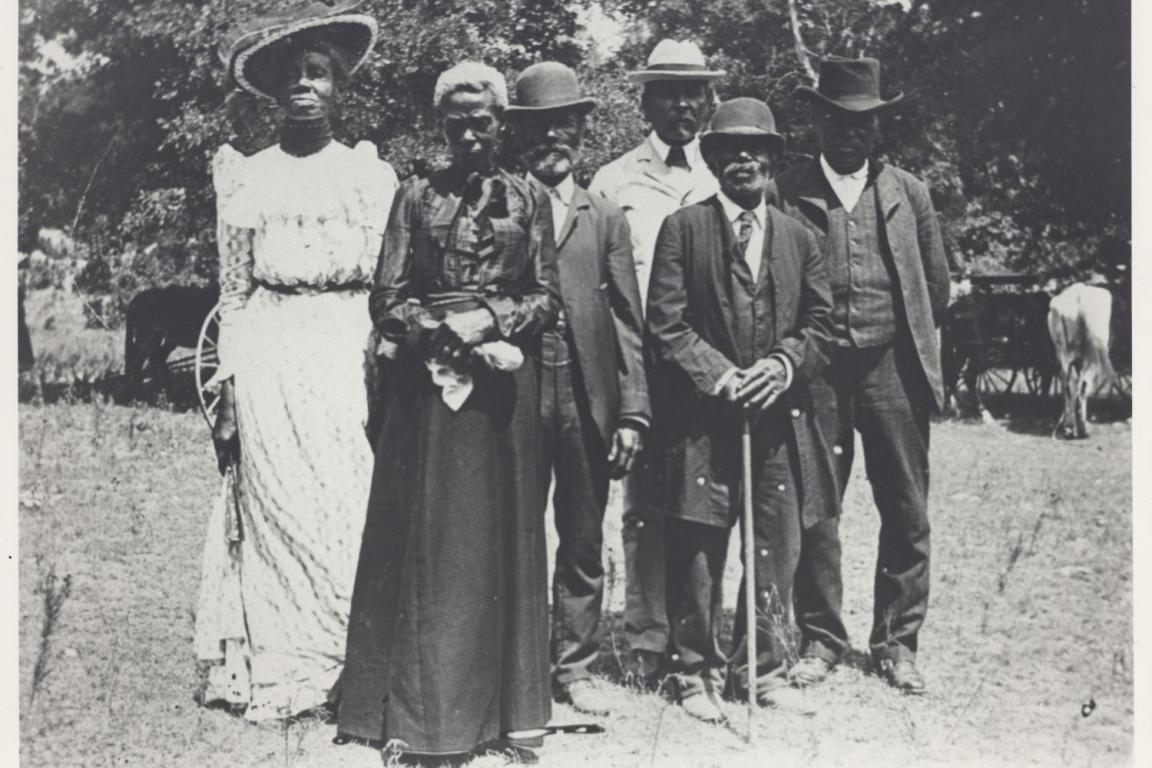
Juneteenth, celebrated annually on June 19th, commemorates the day in 1865 when enslaved African Americans in Galveston, Texas, were finally informed of their freedom, more than two years after the Emancipation Proclamation was issued. This day represents a significant milestone in American history, symbolizing the end of slavery and the beginning of the long, ongoing struggle for racial equality and justice. As we celebrate Juneteenth, it is crucial to reflect on the broader context of Black social justice, including the social determinants of health, mental health, and other social work topics that impact the African American community.
The Historical Context of Juneteenth and Its Relevance Today
Juneteenth is not just a day of celebration but a reminder of the systemic injustices that African Americans have faced and continue to face. The delay in freedom for the slaves in Texas epitomizes the broader issues of inequality and injustice. Historical context is essential for understanding the ongoing struggle for civil rights and social justice. While slavery ended over 150 years ago, the African American community continues to grapple with systemic racism, discrimination, and inequality in various aspects of life for Black Americans today because of the systems set in place at America’s founding.
Bridging the Gap
The fight for social justice for Black Americans is an integral part of Juneteenth’s legacy. Achieving social justice means addressing and dismantling the structures that perpetuate racial inequality. This includes advocating for equitable treatment in the criminal justice system, educational opportunities, economic advancement, and political representation.
Criminal Justice Reform
One of the most pressing issues in social justice is the reform of the criminal justice system. Black Americans are disproportionately represented in the prison population and are more likely to be subjected to police brutality. Advocacy for criminal justice reform includes pushing for policies that address racial profiling, mandatory minimum sentences, and the school-to-prison pipeline placing at-risk children out of classrooms and into the juvenile and criminal justice systems.
 Education and Economic Opportunities
Educational inequality is another critical area. Schools in predominantly Black neighborhoods often receive less funding, leading to poorer educational outcomes. In turn, the poorer outcomes are cited by school boards and government institutions as reasons to provide less funding and support, creating a cycle where disparity worsens. Economic disparities also persist with African Americans facing higher unemployment rates and lower wages. Addressing these issues requires comprehensive policies that ensure equal funding for education, create job opportunities, and support Black-owned businesses.
Social Determinants of Health
“Social determinants of health,” often abbreviated to SDoH, are considered the conditions in the environments where people are born, live, learn, work, and play that affect a wide range of health, functioning, and quality-of-life outcomes and risks. For Black Americans, social determinants of health often contribute to significant disparities in health outcomes.
Housing and Environmental Factors
Access to safe, affordable housing is a fundamental determinant of health. Historically, practices like redlining have segregated African Americans into neighborhoods with fewer resources and more environmental hazards. Efforts to improve housing policies and eliminate discriminatory practices are essential for improving the health and well-being of Black Americans.
Healthcare Access and Quality
African Americans often face barriers to accessing quality healthcare, including lack of insurance, cultural barriers, and biases within the healthcare system. Some specific and most prolific health disparities are:
- Maternal Mortality: Black women are nearly three times more likely than white women to die from pregnancy-related complications. This complex issue is rooted in factors like implicit bias in healthcare, lack of access to quality prenatal care, and underlying chronic health conditions.
- Infant Mortality: Black infants have a more than two times higher infant mortality rate than white infants. Socioeconomic factors, limited access to prenatal care, and residential segregation contribute to this disparity.
- Chronic Disease: Black adults are more likely to experience chronic diseases like heart disease, stroke, diabetes, and certain cancers compared to white adults. This can be linked to social determinants of health like stress, environmental factors, and limited access to healthy food options.
Ensuring that healthcare is accessible, affordable, and culturally competent is vital for addressing these disparities. Community health programs and initiatives that focus on preventive care can also play a significant role in improving health outcomes.
 Mental Health and Emotional Health
Mental health is another critical aspect of the African American experience that is often overlooked. The historical trauma of slavery, ongoing racial discrimination, and socio-economic challenges contribute to the mental health struggles within the community. However, mental health stigma and lack of access to culturally competent care often prevent African Americans from seeking help.
Addressing Stigma and Providing Support
Breaking the stigma around mental health in the African American community is crucial. This involves education and awareness campaigns that encourage open discussions about mental health and emphasize the importance of seeking help. Increasing the number of Black mental health professionals can provide more culturally sensitive support.
Trauma-Informed Care
Given the unique historical and ongoing trauma experienced by African Americans, trauma-informed care is essential. This approach to care recognizes the impact of trauma on an individual’s mental and physical health and seeks to create a supportive and understanding environment for healing.
Generational Wealth: The Impact of Slavery and Racial Inequality
One of the most profound and enduring impacts of slavery is the disparity in generational wealth between African Americans and non-Black Americans. Generational wealth refers to assets passed down from one generation to the next, including property, investments, and other financial resources. The legacy of slavery and subsequent discriminatory practices have severely limited the ability of African Americans to accumulate and transfer wealth across generations.
Historical Context
During slavery, African Americans were denied the opportunity to own property or accumulate wealth. Following the abolition of slavery, discriminatory policies such as Black Codes, Jim Crow laws, and redlining further restricted economic opportunities for Black individuals and communities. These policies systematically excluded African Americans from the wealth-building mechanisms available to white Americans, such as home ownership and access to quality education.
 The Wealth Gap Today
Though emancipation occurred over 150 years ago, the effects of these historical injustices are starkly evident in the wealth gap between Black and white households. According to the Federal Reserve, the median wealth of white households is significantly higher than that of Black households. This disparity limits the ability of African Americans to invest in education, start businesses, and pass on wealth to future generations.
Addressing the Wealth Disparity
Addressing the wealth gap requires comprehensive strategies that include reparative policies, economic opportunities, and education. Some of the solutions proposed include:
- Reparations: Financial compensation and policy measures aimed at redressing the economic disadvantages caused by slavery and systemic racism.
- Economic Policies: Programs that support Black entrepreneurship, home ownership, and access to capital.
- Education and Workforce Development: Ensuring equal access to quality education and training programs that prepare African Americans for high-paying jobs and careers.
Social Work and Community Action
Social workers, community organizers, and non-profit organizations play a pivotal role in advocating for and supporting the African American community. By addressing issues related to social justice, health disparities, and mental health, people in these and other roles can help create a more equitable society.
They are the leaders advocating for policy changes that address systemic racism and social determinants of health. This includes pushing for reforms in housing, education, healthcare, and criminal justice.
Community-Based Programs
Developing and implementing community-based programs that provide support and resources to African American individuals and families is another critical role of social workers and non-profit organizations. These programs can focus on areas such as mental health, education, employment, and housing.
So, as we celebrate Juneteenth, it is important to honor the progress that has been made while also recognizing the work still ahead in achieving true equality. The fight for social justice for Black Americans, addressing social determinants of health, improving mental health outcomes, and closing the generational wealth gap are all interconnected and essential for achieving true equality. By continuing to advocate for systemic change and supporting the Black/African American community, we can work towards a future where the ideals of Juneteenth are fully realized for all.
Resources:
Aladangady, Aditya, et al. “Greater Wealth, Greater Uncertainty: Changes in Racial Inequality in the Survey of Consumer Finances.” The Fed – Greater Wealth, Greater Uncertainty: Changes in Racial Inequality in the Survey of Consumer Finances,
www.federalreserve.gov/econres/notes/feds-notes/greater-wealth-greater-uncertainty-changes-in-racial-inequality-in-the-survey-of-consumer-finances-20231018.html.
Contreras, Russell. “Juneteenth Forces U.S. to Confront Lasting Impact of Slavery Economy.” Axios, 19 June 2021, https://www.axios.com/2021/06/19/juneteenth-slavery-business-built-us.
Edited by Nikole Hannah-Jones et al., The 1619 Project, The New York Times Magazine, Aug. 2019, https://1619education.org/.
“Health Disparities among African-Americans.” Pfizer, www.pfizer.com/news/articles/health_disparities_among_african_americans.
“The Historical Legacy of Juneteenth.” National Museum of African American History and Culture, 1 June 2023, https://nmaahc.si.edu/explore/stories/historical-legacy-juneteenth.
“The Impact of Slavery Today.” UC Berkeley Office of Equity and Inclusion, University of California, Berkeley, https://diversity.berkeley.edu/impact-slavery-today
“Juneteenth.” NAACP, 15 June 2023, naacp.org/campaigns/juneteenth.
“Juneteenth.” National Museum of African American History and Culture, 29 May 2024, https://nmaahc.si.edu/juneteenth.
Lewis, Cora. “Wealth Disparities by Race Grew during the Pandemic, despite Income Gains, Report Shows.” Associated Press, 10 Feb. 2024, https://apnews.com/article/racial-wealth-inequality-pandemic-stocks-pensions-f9b2eace6cd89807e5331f613f270da1.
Masih, Niha. “What to Know about Juneteenth and Its Historical Significance.” The Washington Post, 18 June 2024, www.washingtonpost.com/nation/2024/06/18/what-is-juneteenth-federal-holiday-2024/.
Ndugga, Nambi, et al. “Key Data on Health and Health Care by Race and Ethnicity.” KFF, Kaiser Family Foundation, 11 June 2024, www.kff.org/key-data-on-health-and-health-care-by-race-and-ethnicity/.
Taylor, Derrick Bryson. “Juneteenth: The History of a Holiday.” The New York Times, The New York Times, 13 June 2020, www.nytimes.com/article/juneteenth-day-celebration.html.
“What Is Juneteenth? African American History Blog.” PBS, Public Broadcasting Service, 19 Sept. 2013, www.pbs.org/wnet/african-americans-many-rivers-to-cross/history/what-is-juneteenth/.